Heraklion Archaeological Museum: The Complete Visitor Guide (2026)
Everything you need to visit the Heraklion Archaeological Museum — the world's greatest Minoan collection. Highlights, tickets, the combined Knossos ticket, opening hours and how long you need.
The Museum That Explains an Entire Civilisation
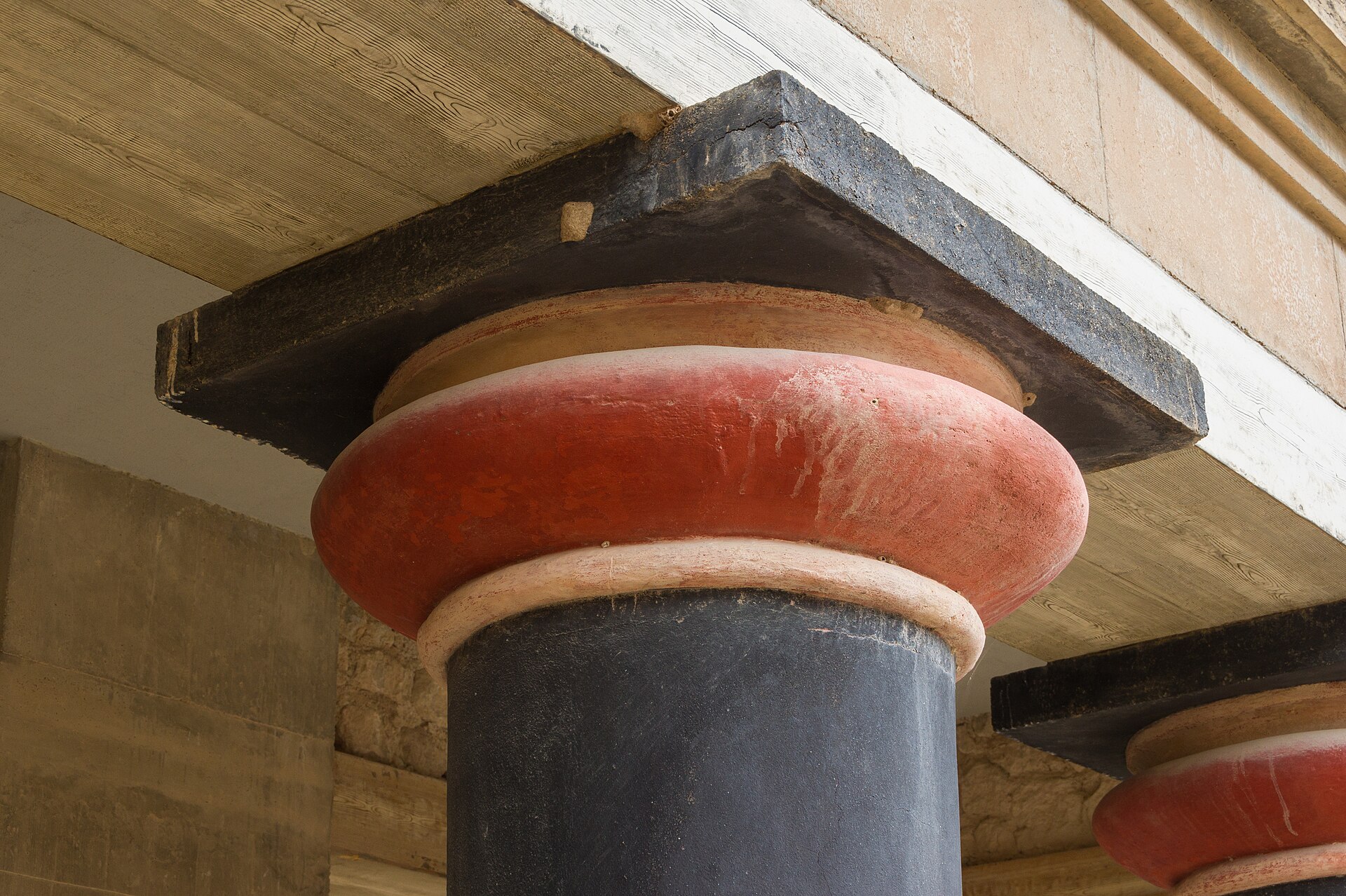
If Knossos is the headline, the Heraklion Archaeological Museum is the story behind it. When Sir Arthur Evans excavated the palace over a century ago, the fragile original frescoes and the greatest treasures went not back onto the walls but into this museum in the centre of Heraklion — which means the ruins you walk through at Knossos are, in a sense, incomplete without a visit here. This is home to the world’s most important collection of Minoan art, spanning 5,500 years of Cretan history across more than twenty galleries, and it is one of the finest museums in all of Greece.
The Highlights You Can’t Miss
The Knossos frescoes — the museum’s crown jewels. The famous Bull-Leaping fresco, the elegant “La Parisienne,” the Prince of the Lilies and the Dolphins fresco all lived on the palace walls; here you see the surviving originals, delicately reconstructed.
The Phaistos Disc — a fired clay disc stamped with 241 symbols in a spiral, dating to around 1700 BC, and one of archaeology’s most famous unsolved mysteries. No one has definitively deciphered its script.
The Snake Goddesses — the striking faience figurines of bare-breasted women holding serpents, among the most iconic images of Minoan religion.
The Bull’s Head Rhyton — a ceremonial vessel carved from black steatite with gilded horns and rock-crystal eyes, breathtaking in its craftsmanship.
Minoan gold and jewellery — including the exquisite bee pendant from Malia, two bees storing a drop of honey in gold granulation.
Practical Information
- Location: central Heraklion, on Xanthoudidou Street just off Eleftherias Square — an easy walk from Lions Square and the old town.
- Tickets: around €12 in high season, reduced off-season; a combined ticket with Knossos (~€20) is the smart buy if you’re doing both, and can be booked online to skip queues.
- Hours: generally open daily in summer, with shorter winter hours — always check the current schedule before you go, as times shift seasonally.
- How long: 1.5–2 hours covers the highlights comfortably; enthusiasts should budget more.
- Comfort: it’s air-conditioned, making it the ideal midday activity when the sun is at its fiercest.
Do It With Knossos
The museum and the palace are two halves of one experience, and the logic of combining them is compelling: the site gives you the scale and setting, the museum gives you the art and the answers. Many guided tours pair the two with a knowledgeable guide who ties the frescoes to the rooms they came from — often the most rewarding way to see both.
Book a combined Knossos & Archaeological Museum tour →
Where It Fits in Your Trip
The museum sits right in the walkable heart of the city, so it slots easily into a day that also takes in the market, Lions Square and the harbour. See our top things to do in Heraklion for the full picture, and our Knossos vs Phaistos guide if you’re deciding which Minoan sites to prioritise.
Keep reading
 informational
 Archanes & the Peza Wine Country: Heraklion's Best Half-Day (2026)
A guide to the Archanes and Peza wine villages south of Heraklion — the wineries to visit, indigenous Cretan grapes to try, the restored village of Archanes, and how to plan a wine day.
 listicle
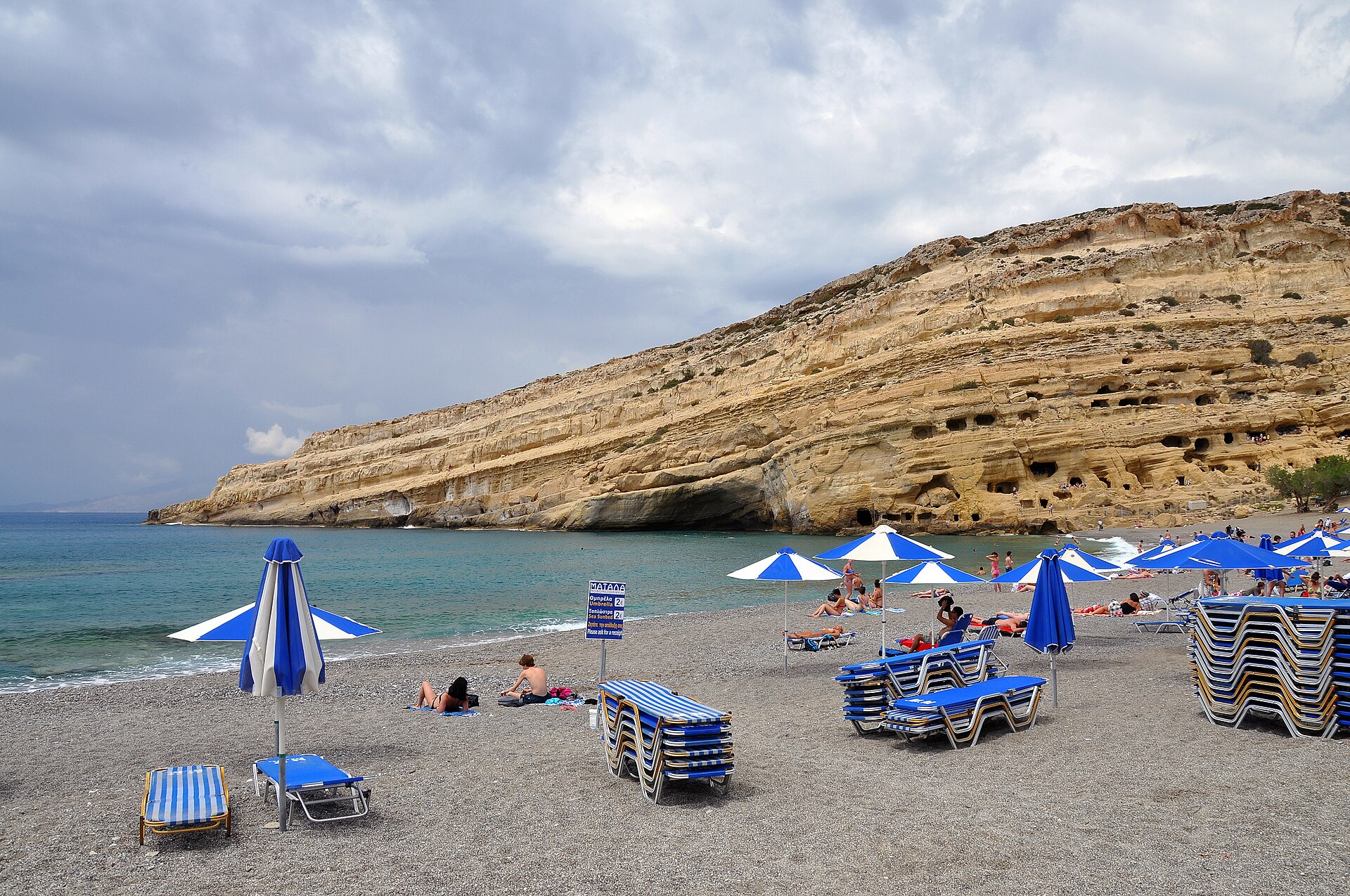
 Best Beaches Near Heraklion: 8 Spots Worth the Drive (2026)
From the long sands of Ammoudara to the caves of Matala and the palms of Vai, here are the best beaches near Heraklion, Crete — with honest notes on crowds, facilities, and how to get there.
versus Knossos Palace vs Phaistos: Which Minoan Site Should You Visit?
Both are incredible Minoan palaces, but which one is right for you? We compare accessibility, crowds, history, and value to help you decide.
Frequently Asked Questions
Is the Heraklion Archaeological Museum worth visiting? ▾
Absolutely — it's one of the most important museums in Greece and holds the world's finest collection of Minoan art. Crucially, the original frescoes and treasures from Knossos are displayed here, not at the site, so visiting the museum is what makes sense of the palace. History-minded travellers should consider it unmissable.
Should you visit Knossos or the museum first? ▾
There's a good case for the museum first — seeing the Bull-Leaping fresco, the Phaistos Disc and the faience figurines gives context that brings the ruins of Knossos to life. But many people do Knossos in the cool of the morning and the air-conditioned museum in the afternoon heat, which works well too. A combined ticket covers both.
How much are tickets and how long do you need? ▾
Standard entry is around €12 in high season (reduced in winter), and a combined ticket with Knossos costs roughly €20 — the best value if you're seeing both. Allow about 1.5–2 hours for the museum; serious enthusiasts could easily spend longer among the twenty-plus galleries.